Holistic Anthropological Field Research – Hvar Island
Island populations are a model of numerous interdisciplinary anthropological researches – historical events (migration patterns, degree of kinship, genetic and linguistic distances, way of life) and can be reconstructed in population isolates on the basis of different biological and sociocultural characteristics. Over the past forty years of research by the Institute of Anthropology, it has been confirmed that the island populations of the eastern Adriatic are a unique model in which complex human characteristics related to health, disease, population structure and population movements are successfully explored at both individual and population levels. The island with which holistic anthropological research in Croatia began and within which the Institute has collected an extremely large database in the past fifty years is the island of Hvar.
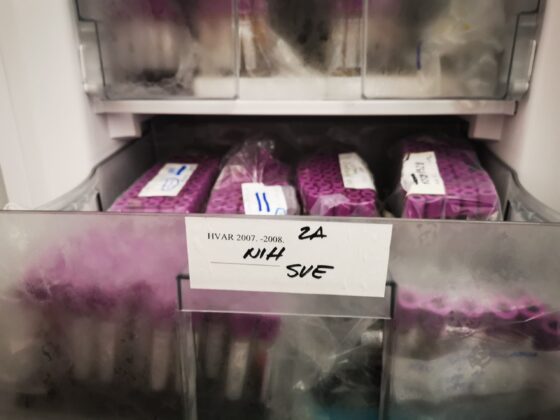
During 1979, 1526 questionnaires were collected from Vrisnik, Svirče, Dol, Vrbanj, Bogomolje, Zastražišće and Gdinj. In 1994, the genealogy of Dol, Svirče and Jelsa was researched as part of the Koster Health project, and in 1995 and 1996, about 400 more samples from the island of Hvar were collected as part of the First Croatian Health Project. In 2007 and 2008, in cooperation with foreign colleagues from the USA, within the project “Genetics of Metabolic Syndrome in an Island Population”, data were collected from 1447 respondents from the settlements of Bogomolje, Stari Grad, Sucuraj, Gdinj, Hvar, Poljica, Zastražišće, Svirče, Brusje, Vrbanj, Vrboska, Pitve, Dol, Vrisnik, Malo and Velo Grablje, Jelsa, Sv. Nedilja, Zaraće and Zavala, and ten years later on the subsample of the same respondents (about 600 of them) the project “Study of genetic, epigenetic and environmental risk factors for cardiometabolic traits in the island population.” From 2015 to 2018, the island of Hvar was also involved in the project “Cohort study of births on the eastern Adriatic islands (CRIBS)”, and the longitudinal study included a comparison of pregnant women and their children in the populations of the islands (Hvar and Brač) with the neighboring mainland Split-Dalmatia County (Split and surroundings).
As part of holistic anthropological field research, the protocols which have been developed since 1972, an extremely wide range of data was collected on the island of Hvar, including: personal data, general health data (medical history, family history), genealogy data (family tree) , WHO questionnaire for angina pectoris, WHO questionnaire for claudication, WHO questionnaire for diabetes and other chronic non-communicable diseases, data on lifestyle (smoking, alcohol, physical activity, reproductive health of female respondents), indicators of socioeconomic status (education, employment, material condition of the family), questionnaire on eating habits (number of meals, food processing, fast food consumption, fluid intake, diet, intake of vitamins and minerals, food frequency questionnaire), blood pressure measurement (systolic and diastolic), anthropometry (body height, body weight, bicondylar width of upper arm, abdominal circumference, hip circumference, upper arm circumference, k eye folds, head and face anthropometry, sitting height), blood count, biochemistry (creatinine, uric acid, cholesterol. triglycerides, HDL, LDL; calcium, HbA1c, insulin, fibrinogen) and genetic data obtained based on GWAS analyzes.
Here we combine published research data from different areas of anthropology: