


Multilevel Sustainability as a Prerequisite for Health and Wellbeing – SUSTAINWELL
Abstract:
The generally accepted definition of the World Health Organization about health as a state of complete physical, mental and social well-being and not merely the absence of disease or infirmity is the basic premise of this project. Social well-being, as one of the three basic prerequisites for health, directed the proposed research in several interwoven directions. The ideas of social well-being are diverse and sometimes in conflict with each other in different communities, however, the contemporary perception of a good and quality lifestyle is inextricably linked with the idea of building a more sustainable society as the only way to stop the global threat to humanity – climate change. Sustainability is achieved on several levels – ecological, economic and social. The project team will analyze the processes of achieving sustainability in Croatia on all three levels as important prerequisites for a good life and health. Ecological and economic models of building sustainable (or at least more sustainable) food, energy and health systems and communities in Croatia are the focus of the SUSTAINWELL project. However, no level of sustainability can be achieved without a social dimension. This type of sustainability implies the integration of marginal or vulnerable groups in all processes. Through a careful analysis of all the problems and obstacles accompanying the processes of building sustainability, this project will contribute to the understanding, and through guidelines for public policy makers, to overcoming the obstacles to achieving a green transition and strengthening multi-level sustainability in the Republic of Croatia.
Work packages:
Work Package 1: Everyday life of oncology patients: a view from the inside
Work Package 2: Impact of global insecurities on the strengthening of the movement for food sovereignty – a comparative study
Work Package 3: Anthropological study of creative solutions for a sustainable future
Work Package 4: Building a food-conscious citizenry in Croatia
Work Package 5: Strengthening island sustainability as a prerequisite for quality life on Croatian islands
Work Package 6: Energy sustainability and independence as a prerequisite for the well-being of societies
Work Package 0: Construction of infrastructure for the Laboratory for qualitative research
Project team:
Morana Jarec, PhD, research associate, Project Management Unit, Institute for Anthropological Research (WP0, 2 & 3)
Mirela Conta (Hrovatin), PhD, research associate, Department for Fundamental Interdisciplinary Research of the Institute for Anthropological Research (WP0, 2, 3 & 5)
Jelena Seferović, PhD, research associate, Department for Fundamental Interdisciplinary Research of the Institute for Anthropological Research & Institute of Contemporary History (Slovenia) (WP0 & 1)
Mirela Sedić, PhD, research advisor, Centre for Applied Bioanthropology, Institute for Anthropological Research (WP1)
Jelena Šarac, PhD, senior research associate, Centre for Applied Bioanthropology, Institute for Anthropological Research (WP3)
Dubravka Havaš Auguštin, PhD, research associate, Centre for Applied Bioanthropology, Institute for Anthropological Research (WP3)
Olga Orlić, PhD, senior research associate, Institute for Ethnology and Folklore Research (WP4, 5 & 6)
Duga Mavrinac, PhD, curator, Ethnographic Museum of Istria (WP3 & 6)
Presentation in The EDIAQI Indoor Air Quality Conference 2026
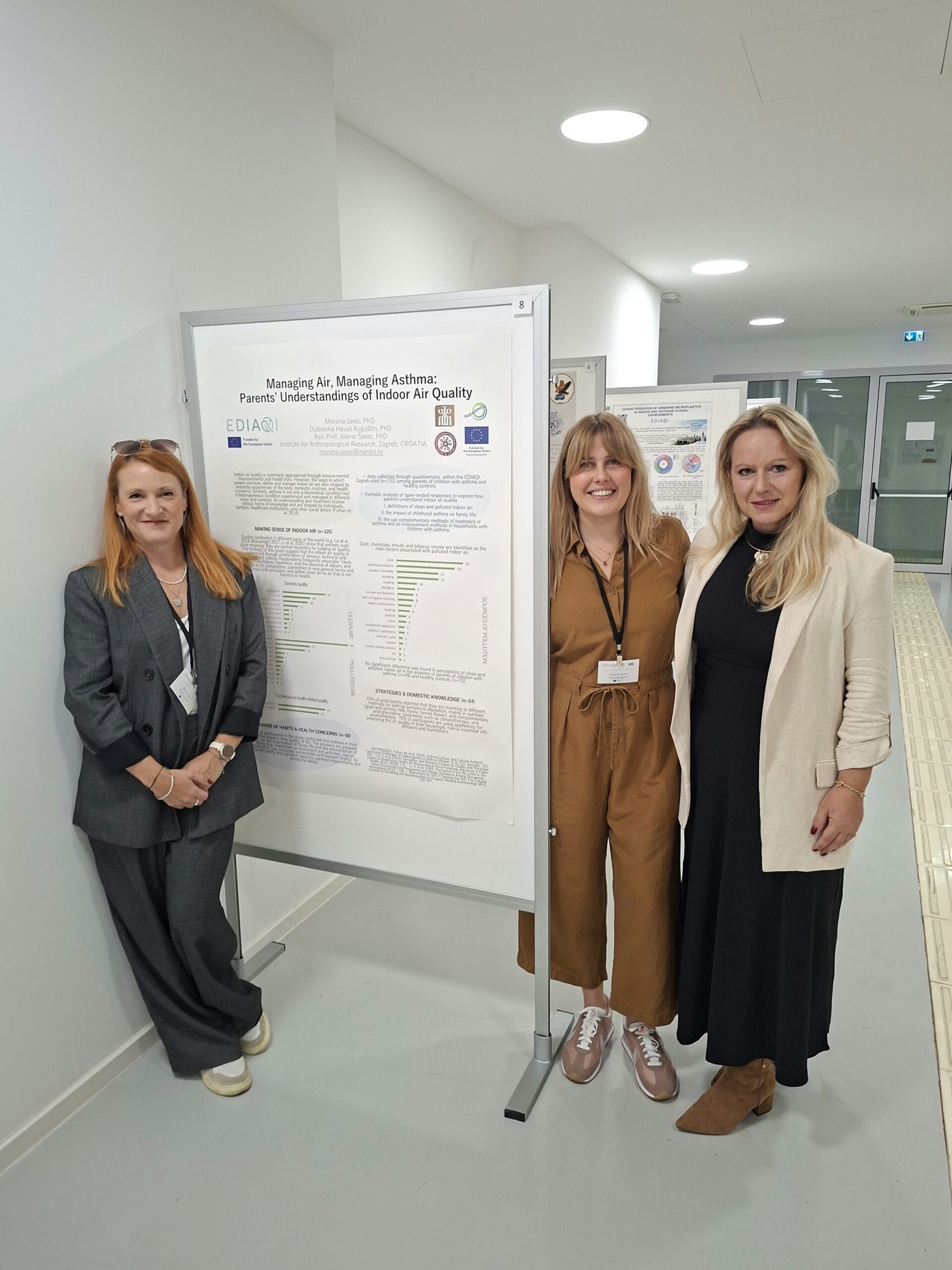
Dr. Morana Jarec participated in The EDIAQI Indoor Air Quality Conference 2026 with a poster presentation entitled Managing Air, Managing Asthma: Parents’ Understanding of Indoor Quality (co-authored by M. Jarec, D. Havaš Auguštin and J. Šarac). The conference was held on 29 September 2026 at the Institute for Medical Research and Occupational Health in Zagreb. The poster presented data collected as part of the EDIAQI project, funded by the Horizon Europe Programme, which were analysed within the SUSTAINWELL project, as forseen in the work plan of the Work Package 3. From a social and cultural perspective, the study explored perceptions of clean and polluted indoor air, as well as sustainable practices in households with children with asthma aimed at reducing exposure to allergens, irritants, and chemicals.
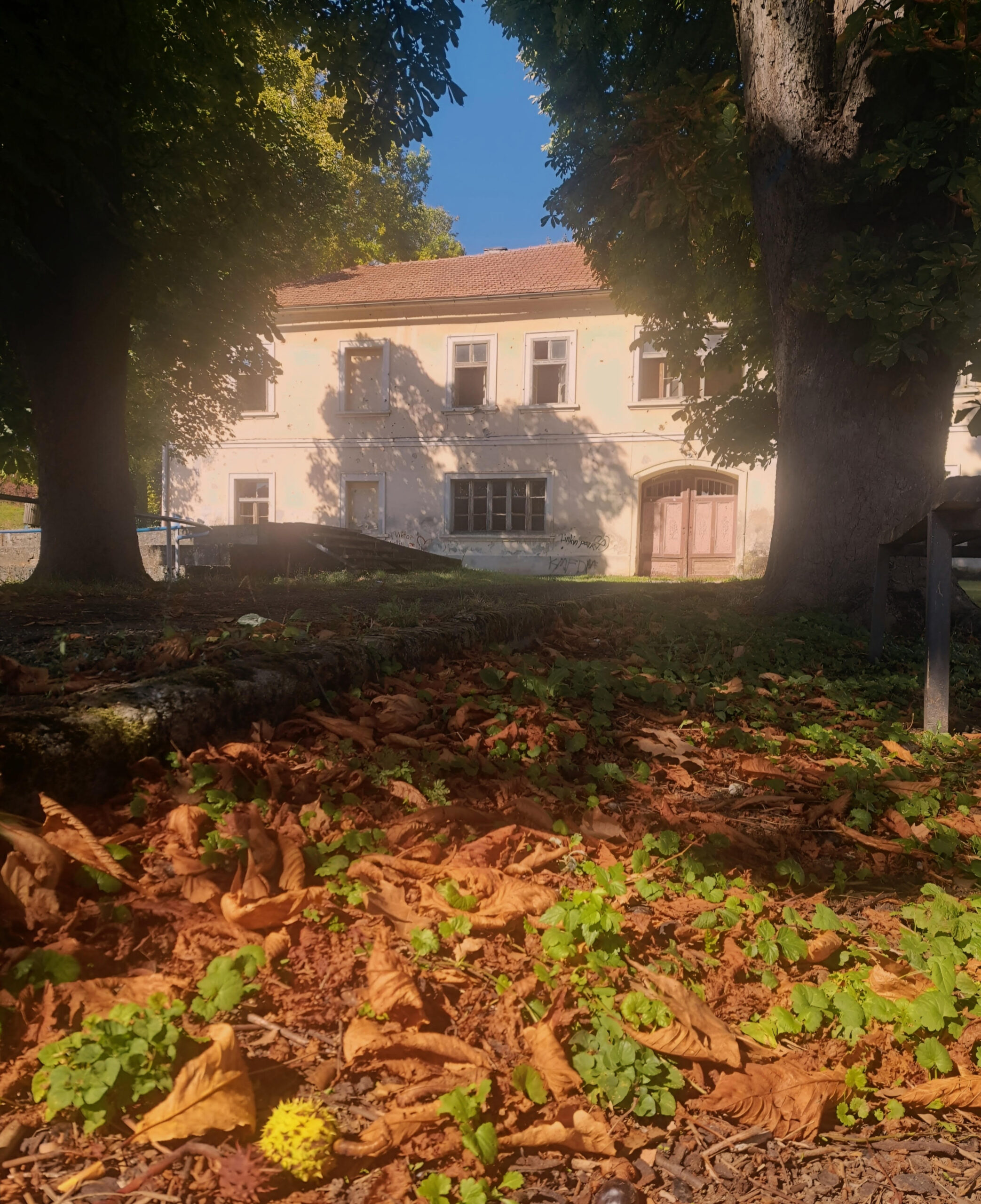
Nearing the End...
Dr. Jelena Seferović has completed the fieldwork for her research on the experiences of women with cancer in smaller towns in Croatia. As the research progressed, it became clear that the majority of the women interviewed had been diagnosed with gynaecological cancer. The final stage of the research therefore included, in addition to interviews, an analysis of archival records documenting the work of gynaecology departments.
The accompanying photograph shows the remains of the Baroque Trenk Baron’s Castle in Pakrac, which once housed a hospital that later developed into Pakrac General Hospital. The gynaecology department is still in operation today, but there is currently no oncology department; only initial examinations are carried out there.
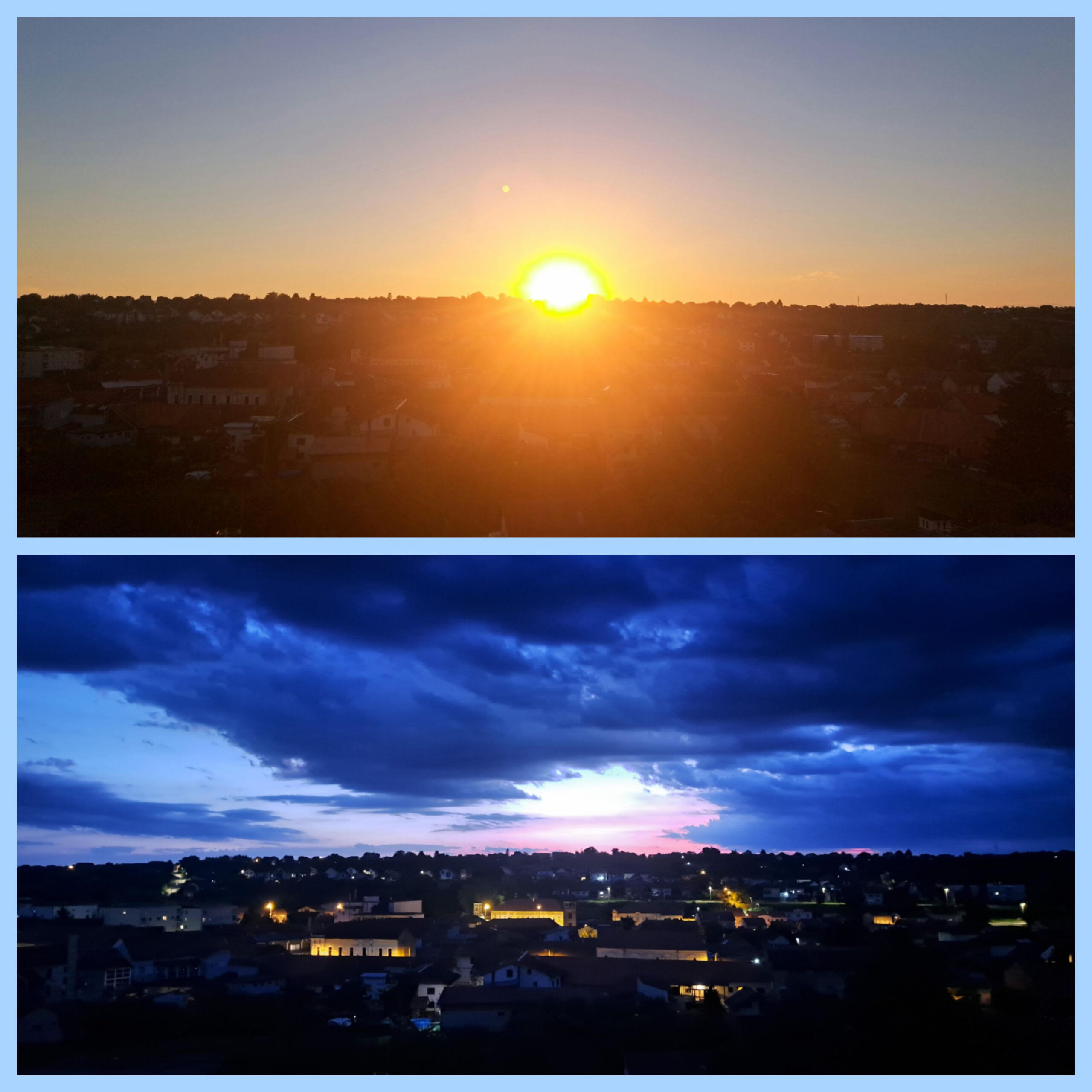
“Delay expected…” “Train cancelled…”
Despite the diverse life circumstances and personal testimonies of women living with cancer in smaller Croatian communities, the field research conducted by Dr. Jelena Seferović in Slavonia continues to point to the same conclusion: cancer is not only a medical condition, but also an experience shaped by social, cultural, economic, gender, and geographical dimensions. Train delays, cancellations, and multiple transfers have shown that reaching places that appear to be nearby is not always straightforward. If this is demanding for a healthy person, especially during summer heat and sudden weather changes, it raises the question of how much more difficult it is for people living with cancer to travel to distant hospital centres for treatment.
Co-writing the Life Story of a Person with an Oncological Diagnosis
The first meeting between Dr. Jelena Seferović and Nikolina Modrić, LL.M., B.A. Econ., took place in July 2024. Since then, the researcher and narrator, now a thirty-six-year-old resident of Zagreb, originally from Bjelovar, have conducted several formal interviews, as well as numerous informal meetings. Through this process, they reconstructed memories of her earlier experiences of coping with illness, treatment procedures, obstacles encountered within the healthcare system, strategies for managing everyday life, and the ongoing consequences of the disease. Based on interview transcripts, Nikolina’s personal notes, and her written responses to a set of questions, a scientific publication will be produced. Regardless of formal authorship, the work will essentially emerge through a collaborative process of writing and interpretation.
International collaboration for more sustainable cities
This is one of the goals of the COST Action Connecting Critical Pedagogies, Inclusive Art Forms and Alternative Barometers for Urban Sustainability, which held its meeting at the Faculty of Architecture, University of Belgrade, on 29–30 June. The meeting was attended by Dr Morana Jarec, coordinator of the SUSTAINWELL project, together with researchers from Türkiye, Serbia, Portugal, Austria, Greece, Norway, and Poland. Participants discussed the Action’s achievements, as well as its planned outputs and the expected impact of its research and artistic results. They also agreed on a timeline for preparing publications and other dissemination materials, as well as a schedule for upcoming online meetings and workshops.
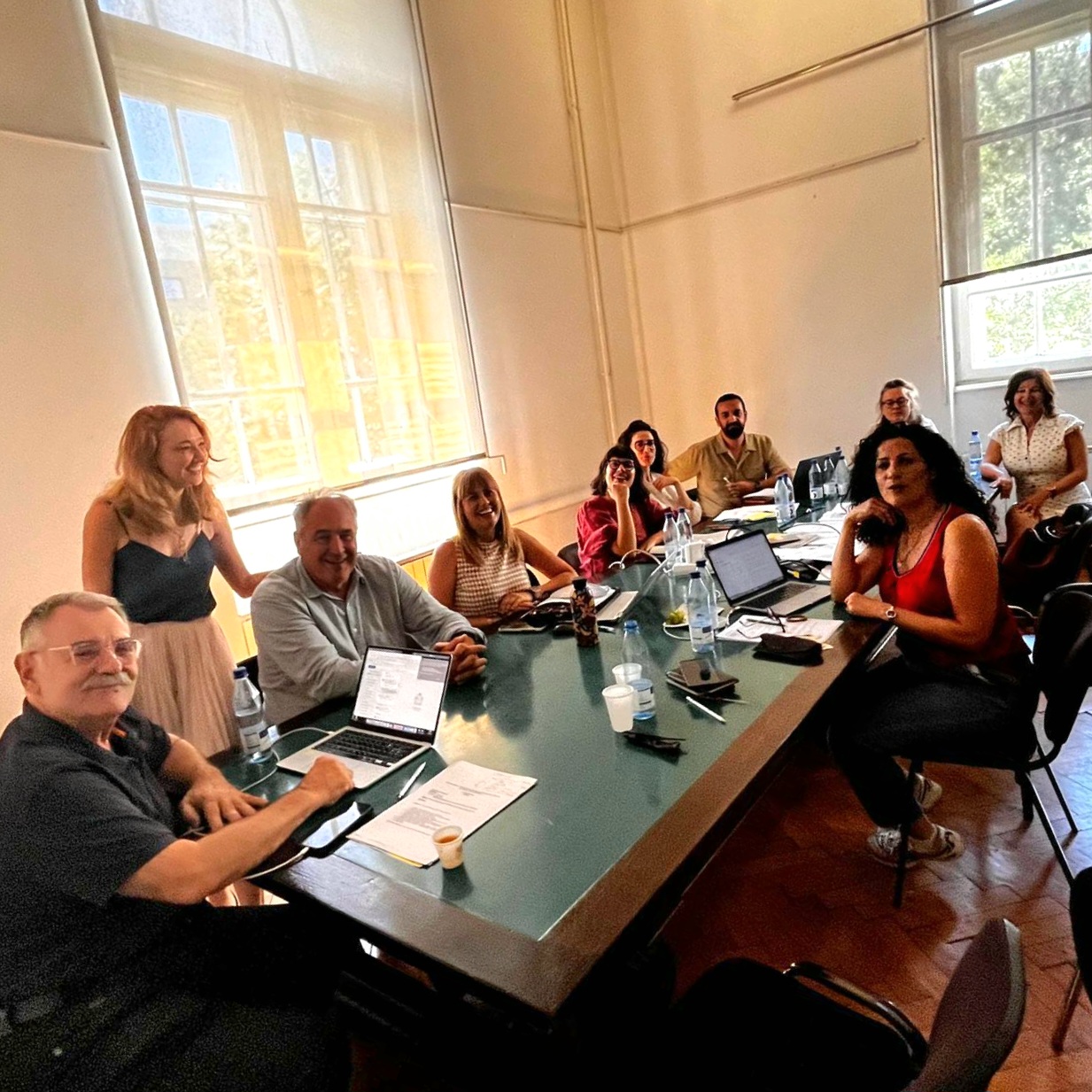
Inventorying of intangible heritage in European countries: achievements and future goals
As part of the ENFP, the European network of experts on intangible cultural heritage, Mirela Hrovatin collaborated in organizing and delivering the webinar “Thematic Meeting on ICH Inventorying” held on 20 May 2026. The webinar was conceived and carried out in cooperation with colleague Helmut Groschwitz from the Institute for European Ethnology, together with other members of the ENFP network. The webinar was based on an online survey completed by 32 out of 46 European countries. The survey analysis revealed the diversity of approaches to inventorying intangible cultural heritage across Europe, as well as the need to strengthen the capacities of communities and various groups (such as minorities) to carry out both inventorying and safeguarding activities. Particular emphasis was placed on support for the different projects and programmes implemented by communities, as well as on the need to align the strategies and objectives of various sectors and institutions. During the presentations by colleagues from other countries and the subsequent discussion, participants shared a range of experiences and encouraged further collaboration on specific inventorying activities. The recording and results will be made available on the ENFP network’s website.
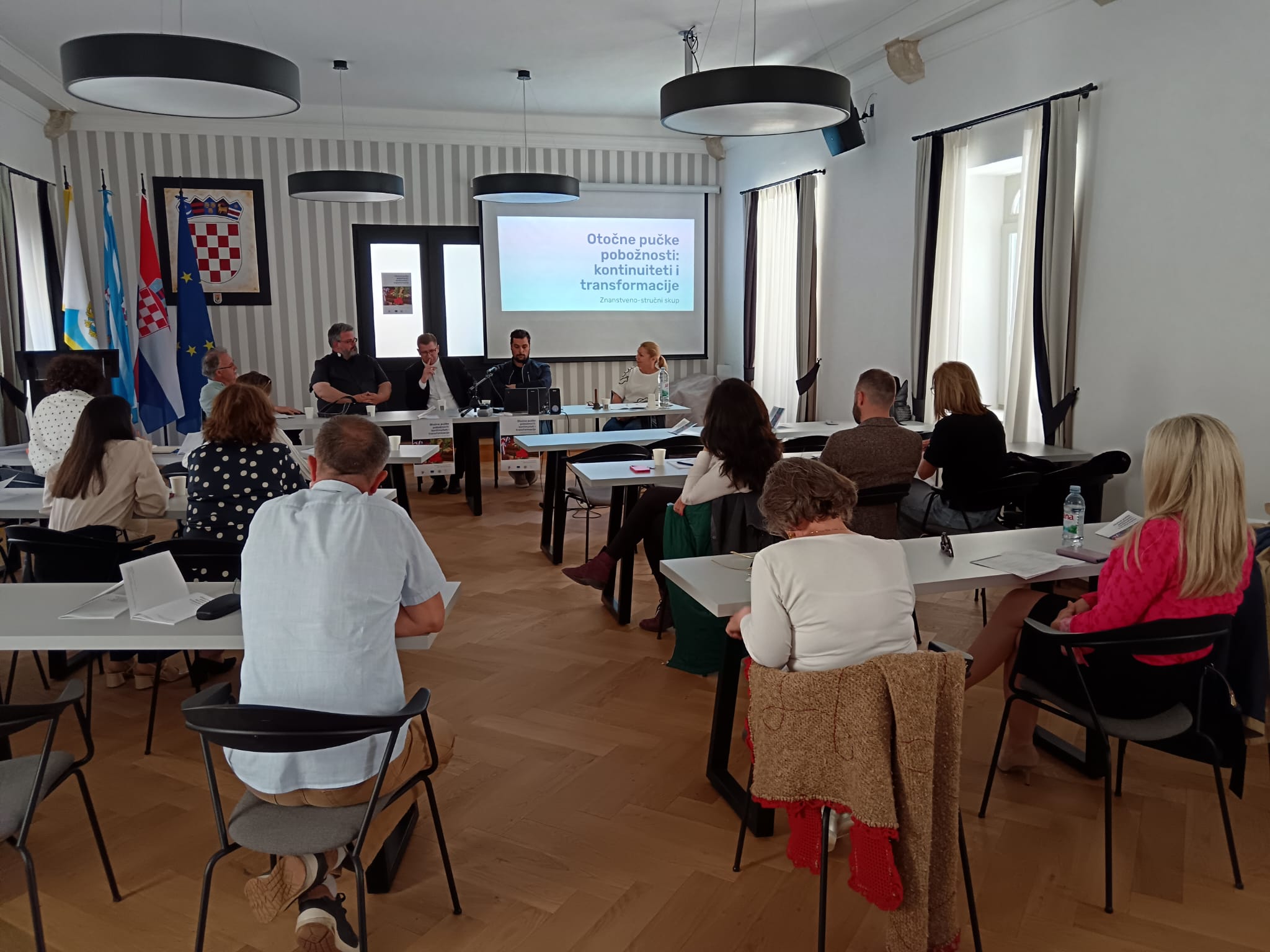
Sustainability of devotions in the context of tourism and heritagization challenges
From 24 to 26 April 2026, the scientific and professional conference “Island Folk Devotions: Continuities and Transformations” was held in Rab, where Dr. Mirela Hrovatin delivered a presentation entitled “Regulating Access to Local Devotions as Intangible Cultural Heritage”. The presentation drew on the objectives and Work Package 5 of the SUSTAINWELL project, addressing the governance of traditions in the contemporary era from the perspective of intellectual property law and related sui generis rights. The presentation highlighted the challenges local communities face in preserving their traditions, particularly regarding the opening of certain aspects to the public for tourism purposes, as well as the widespread availability of information online. Protecting intellectual property rights and the community’s rights on its own traditions helps secure financial benefits for those communities while also preventing misuse by third parties that could threaten the sustainability of such traditions. Around fifteen presenters from various scientific and educational institutions across Croatia took part in the conference, focusing on topics that remain relatively underrepresented in academic research. The conference formed part of the Institute of Ethnology and Folklore Research project BAŠOTOK and contributed to the needs of the island community of Rab by fostering a network of stakeholders who, in the coming years, will work together on developing new approaches to the valorisation of the traditional values and practices of the town and island of Rab. On Sunday, 26 April, attendees took part in the traditional pilgrimage and procession dedicated to Our Lady of Rab, known as “Rapski krīžȉ/kríži”. The tradition was recently inscribed in the Register of Cultural Property of the Republic of Croatia. In the evening, there was a concert by the Faroski Kantaduri, connected with “Procession Za Križen” from the island of Hvar, which is inscribed on UNESCO’s Representative List of the Intangible Cultural Heritage of Humanity.
Dr. Mirela Hrovatin about tattooing
Dr. Mirela Hrovatin, associate in the SUSTAINWELL project, spoke about tattooing for Tportal. This topic became relevant with the band Lelek, Croatia’s entry in the Eurovision Song Contest. Dr. Hrovatin concludes that tattooing is “a cultural practice that firmly connects a person with the environment in which they live”. You can read the full article on Tportal.

“I wish I could get better and…(?)”: What else do oncology patients from the Osijek region want?
In mid-November, Dr. Jelena Seferović visited Osijek, where she continued conducting interviews with women diagnosed with cancer. This time, she spoke with patients who travel to the Osijek hospital from Đakovo and Slavonski Brod. As was the case with women from the Pakrac area, it again became clear that inadequate transport connections to the Osijek University Hospital pose a major difficulty. The women are aware that a free taxi service has been organised for oncology patients living in the city of Osijek, in cooperation with Osječki Taxi, while they, although travelling much longer distances, are not entitled to this service.

Local languages and sustainable development
From November 13 to 14, 2025, the 15th scientific conference on Croatian dialects: čera – dənəs – zutra was held at the Croatian Academy of Sciences and Arts. Forty or so participants presented on the topics of recent linguistic dialectological research, idioms as cultural heritage and historical dialectology. Mirela Hrovatin presented in collaboration with Ivana Kurtovic Budja, Ph.D. (ZaGovor project) on the importance of preserving local languages as a fundamental human right in the context of the valorization of language as an intangible cultural heritage. Globalization processes, such as the introduction of anglicisms and the pressure created by officially prescribed languages used mainly for contemporary economic needs, rapidly reduce the possibilities of using local languages, and thus the preservation of social memory within local communities. The conclusion of the presentation is that a positive approach to documenting, popularizing and further transmission of local dialects directly contributes to the goals of sustainable development and a better future for smaller places in Croatia based on the specific cultural values of various geographical areas.

Fieldwork about cleanliness and health in the Koprivnica city
In addition to theoretical analysis on the topic of cleanliness, we are conducting field research in various urban places as part of our project. In November 2025, Koprivnica was selected as a continental city with fewer inhabitants and a different way of life than Zagreb, highlighting the more relaxed daily schedule of the twenty informants whom we interviewed. After analyzing and publishing the data, the research would reveal the similarities and differences between the smaller and larger cities by the comparison with the data already collected through the European project EDIAQI for Zagreb. It would also answer to the questions on how individuals and families relate to the cleanliness of their own bodies and the cleanliness of the spaces where they spend their usual day, including business premises, as well as how indoor air quality affects their health.

Craft products in contemporary times
Traditional knowledge, skills and products in Croatia and Europe have been extremely threatened by modern lifestyles and continuous technological development since the 19th century at the latest. In addition to the listing of craft skills and knowledge as intangible cultural heritage by UNESCO, the European Union will ensure the protection of craft products from the end of 2025, similar to the system of labelling food products. Such international protection of craft products at the European level strengthens the market placement right for the products of individuals, while at the same time encouraging the safeguarding of cultural heritage and complementing existing systems of recognition of traditional crafts at the national level. In this context, it is particularly interesting to consider contemporary “do-it-yourself” (DIY) practices that incorporate traditional techniques and sustainable materials, thus blurring the lines between everyday repair, handicraft, amateur design and art. Such activities represent a form of active inheritance of knowledge and skills, but also a response to the ecological and economic challenges of today, which can be crucial in education, creative industries and the development of local economies. Also, those are increasingly recognized as a form of cultural and ecological activism. Further scientific research can contribute to the valorization and documentation of existing traditional crafts, as well as guidelines for their placement in tourism, self-employment opportunities for craftsmen, strengthening social cohesion, creative inspiration in art and other areas of contemporary life and work.

Participation in the panel discussion at the 59th International Folklore Festival Zagreb
When talking about a sustainable future, various possibilities are mentioned related to the field of cultural heritage, from preserving historical buildings to singing traditional songs. However, we rarely talk about emotions that are actually the force behind numerous traditions, because they connect us to our ancestors, grandparents, mothers and fathers, and other members of our family and the wider local community in which we live. Emotions help us understand our own, but also appreciate the values of other people’s traditions. The knowledge and skills that different communities have acquired about the natural environment in which they live for generations can be our guidelines for dealing with climate change, which brings storms, droughts, floods, and more. In addition, practicing various customs, as practice shows, provides individuals with security in their own social environment, which can reduce some of the modern mental illnesses, such as depression, anxiety, and more. Mirela Hrovatin, PhD, spoke about such an approach to safeguarding intangible cultural heritage as part of the SUSTAINWELL project on July 19, 2025 at the panel discussion Intangible Culture and Identity: Croatian and Macedonian Elements on UNESCO’s Lists at the Cultural Information Center of the Republic of North Macedonia in Zagreb as part of the 59th International Folklore Festival Zagreb.
The participants of the panel discussion were experts in the field of protection and safeguarding of intangible cultural heritage in Croatia and Macedonia: Mimi Gjorgoska Ilievska, MSc (Cultural Information Center of the Republic of North Macedonia), Vesela Čestoeva (Ministry of Culture of the Republic of North Macedonia), Ivona Opetčeska Tatarčevska (Ministry of Culture of the Republic of North Macedonia) and Tvrtko Zebec, PhD (Institute of Ethnology and Folklore Studies, Artistic Director of the Zagreb International Folklore Festival). They all emphasized the importance of different traditions and the need for future cooperation in the field of intangible cultural heritage safeguarding. As part of the panel discussion, we had the opportunity to hear a highly endangered way of singing, Glasoechko two-part singing, performed by family members and the singing group Trio Gavrovski from Tetovo. This singing is inscribed on the UNESCO Urgent Safeguarding List, and the singers explained at the panel discussion how important their tradition is to them, as well as the problems they face in safeguarding it.

Preliminary research results of the SUSTAINWELL project presented in SIEF conference
In the 17th International Society for Ethnology and Folklore conference that was held from 3 to 6 June 2025 in Aberdeen in Scotland, under the title Unwriting, preliminary results of two work packages of the SUSTAINWELL projects were presented: WG3 Anthropological Study of Creative Solutions for a Sustainable Future and WP6 Energy sustainability and Independence as a Prerequisite for the Well-being of Societies. Oral presentation under the title Anthropological Perspectives on Textile Upcycling: From Waste to Worth was presented by Morana Jarec, PhD, in the thematic panel on dress narratives. Oral presentation under the title Renewable Fields of Power: Steering Energy Transition at the Periphery was presented by Olga Orlić, PhD, and Duga Mavrinac, PhD, in the panel on climate change. The conference was held in hybrid format with more than 1000 participants. Besides interesting plenary lectures, workshops and panels, this conference was an excellent opportunity for networking.

Barriers to Cancer Treatment in the Pakrac Area
During field research conducted in early April in the town of Pakrac, Dr. Jelena Seferović found that cancer patients in smaller communities are often insufficiently informed about the next steps in diagnostic and therapeutic procedures. Pakrac and its surrounding settlements are predominantly inhabited by elderly people who struggle with e-referrals and electronic communication, such as email. Patients mostly attempt to contact hospital staff and doctors by phone, but these calls often go unanswered.
An increasing number of older individuals live alone, as their children have moved to urban centers or abroad. At the Pakrac County General Hospital and Hospital for Croatian Veterans, a doctor typically conducts the initial examination and, if the results suggest cancer, patients are usually referred to Zagreb. Some are also treated in Požega, where an oncologist commutes from Slavonski Brod. New cancer cases are reported almost daily. Among women, breast cancer is the most common, while among men, colorectal cancer prevails.
Although appointment scheduling remains a challenge, waiting lists have somewhat shortened. The shortage of healthcare professionals is evident, and most cancer patients in this region cannot afford private medical care. Transportation and accommodation present further complications, as patients depend on others and must often pay for overnight stays due to early appointments.
Oncology patients are entitled to medical transport, but the journey is demanding—many must return to Pakrac immediately after chemotherapy. The town has poor transport connections with larger cities, and bus services are infrequent or nonexistent.
All of these findings—gathered through conversations with Đurđica Stokić, M.Sc. in Nursing, assistant to the hospital director for nursing and head nurse at the Pakrac County General Hospital and Hospital for Croatian Veterans—largely align with the experiences of women with various types of cancer from smaller Croatian towns whom Seferović previously interviewed.

Opća županijska bolnica Pakrac i bolnica hrvatskih veterana
A brief overview of the existing research on the daily life of oncology patients in smaller areas of Croatia
So far, research on the daily lives of oncology patients conducted by dr. Jelena Seferović has primarily focused on central Croatia, with a few exceptions. By the end of 2025, or the conclusion of the second project year, the research focus will be exclusively directed towards the area of Pakrac and its surroundings. As mentioned in the previous post, the current General County Hospital Pakrac and the Croatian Veterans Hospital developed from the Royal Provincial General Hospital, which opened in 1898. Currently, the Pakrac hospital does not provide systematic medical treatment for oncology patients, but plans to open a palliative care department later this year. Based on the interviews conducted, dr. Seferović observed that respondents from smaller and more remote settlements, in addition to the numerous health issues caused by cancer and limited access to medical services, face difficulties in accessing psychological, social, and spiritual support, which is mostly available in urban areas. From the available data, she concluded that members of the Association of Women Affected by Cancer, Nismo same, as part of the initiative Zdrava kava had already organized a gathering in Pakrac in 2023. There, with professional support, they sought to address numerous questions related to the coping mechanisms of women with cancer and their families in dealing with daily challenges. This is an extremely valuable initiative, though it is not possible within it to ensure daily and continuous healthcare, as well as other necessary forms of support. These circumstances, along with numerous other aggravating factors, particularly in one case, served as an impetus for choosing a professional career path that has shaped her life journey. One of the key questions that arose from this research concerns the extent to which oncological illness contributes to the transformation of the identity of those affected, and how this transformation shapes their social roles, self-perception, and interactions within the broader social community.

Kraljevska zemaljska javna bolnica in Pakrac (Zbirka fotografija tvrtke Griesbach i Knaus (HR-HDA-1446))
Energy independence on Croatian Islands
As part of Work Package 6: Energy Sustainability and Independence as a Prerequisite for Societal Well-being, Dr. Olga Orlić and Dr. Duga Mavrinac conducted field research on the islands of Cres, Krk, and Veli Lošinj. The research included an analysis of development strategies and projects in the fields of energy and green transition, as well as in-depth interviews with members of the Apsyrtides cooperative, Eko Kvarner, the Pokret otoka, and stakeholders and individuals who have installed solar energy systems in their households, advocating for energy independence and the use of renewable energy sources.

Oncology patients and healthcare in small towns: Pakrac
As part of the research on the daily lives of oncology patients in smaller Croatian towns and villages, dr. Jelena Seferović is not only analyzing the emotional and psychological challenges this population faces in their fight against malignant diseases but is also attempting to gather data on the support provided to them by the healthcare system. During her fieldwork in Slavonia, she established that, unfortunately, there is no department specialized in palliative care at the General County Hospital in Pakrac and the Croatian Veterans Hospital. However, a certain number of beds for patients in need of palliative care are available in other hospital departments. There are plans to open a palliative care unit next year, and the space for it has already been prepared, with equipping to follow. Despite the nearly 130-year tradition of this hospital, challenges such as wartime conditions, demographic changes, geographical isolation, and lower economic development limit the possibilities for providing comprehensive healthcare for oncology patients. The history of the Pakrac hospital began in 1898 when it opened as a Royal County Hospital, and its remaining structures, visible in the attachment to this post, today testify to the rich medical tradition of this town. In this context, it is worth noting that it developed from a Hospital for venereal and infectious diseases, which operated from the second half of the 18th century in the former castle of Baron Trenk, located right by the Pakra River.

Participation in the kick-off meeting of the COST Action CIRCUL'ARTs
Dr. Morana Jarec participated in the kick-off meeting of the COST Action CONNECTING CRITICAL PEDAGOGIES, INCLUSIVE ART FORMS AND ALTERNATIVE BAROMETERS FOR URBAN SUSTAINABILITY on October 18, 2024 in Brussels, Belgium, as a member of the Management Committee. COST Action CIRCUL’ARTs aims to develop a common framework for collecting data on sustainability and circularity, systematizing and sharing results, producing recommendations and developing a strategic plan for implementing change. Research conducted on the SUSTAINWELL research project will be used in participation in this COST action for internationalization and dissemination of results, knowledge transfer, networking, raising academic and public awareness related to sustainability, circularity, critical and creative pedagogies. This COST action brings together educators and researchers from the fields of social sciences and humanities, as well as artists and engineers of various profiles.

Presentation in a conference in Osijek
Dr. Olga Orlić participated in the 7th Congress of Croatian Historians with the Earth being a central theme of the Congress. The Congress was held in Osijek, from 25 to 28 September 2024. Dr. Orlić presented research as part of the WP4 (Building a food-conscious citizenry in Croatia) of the SUSTAINWELL project. Together with Željka Petrović Osmak from Ethnographic Museum in Zagreb, they presented how urban gardens can be drivers of the development of civil society, with an example of the same Museum.

Presentation in a conference in Ljubljana
Dr. Jelena Seferović, as part of the project DEAGENCY (ERC Advanced Grant), a conference held from August 30 to September 1, 2024, at the Faculty of Arts of the University of Ljubljana, presented a topic entitled “Navigating two worlds: Is it possible to stay connected with those we’ve lost?” During this occasion, she also presented the results of research conducted within the SUSTAINWEEL project. While exploring the everyday lives of oncology patients, Dr. Seferović came into contact with a population whose family members had passed away from the consequences of cancer. In conversations with them, she discovered that some interpreted certain signs from nature and sounds as a way in which the deceased were reaching out to them. Their interpretations provided insights into alternative ways of establishing connections with the deceased, as well as the desire to preserve that connection even after physical death.

Official confrence photos, Simona Kuntarič Zupanc
Visiting BICPOP!
As part of the FoE Croatia based in Zagreb, there is a free, volunteer, and participatory Bicycle Repair Service (BICPOP) based on the “do-it-yourself” principle. In addition to promoting cycling as an acceptable form of transport, emphasis is placed on reuse and social solidarity. BICPOP provides space, tools, and advice to anyone interested in fixing their bike with the help of the volunteers. During the visit to BICPOP as an initiative important for Work Unit 3 of the SUSTAINWELL project (Anthropological study of creative solutions for a sustainable future), we also learned about other activities based on the principle of do-it-yourself, that is, with others or together, and the principles of sustainability (reduce, re-use, re-purpose, re-cycle, repair, up-cycle), such as Let’s Repair Together, Swap parties, sewing courses, Reuse Festival and others.

Visiting the Association for Development of ‘do-it-yourself’ Culture - Radiona.org
In July 2024, Morana Jarec visited the Association for Development of ‘do-it-yourself’ Culture Radiona.org – Zagreb Makerspace, as part of the SUSTAINWELL project, Work Package 3 Anthropological study of creative solutions for a sustainable future which studies the DIY (do-it-yourself) movement. For research purposes, she learned about the activities of Radiona in a pleasant conversation. To name a few, Radiona is a citizen lab consisting of makerspace/hackerspace, Repair Café, and is dealing with DIY (do-it-yourself), DIWO (do-it-with-others) and DITO (do-it-together) cultures, interdisciplinary and intergenerational non-formal education and hybrid activities. It focuses its activities on education, innovation, research processes, art production, curatorial practices, residencies, international and domestic inter-sector collaborations, self-sustainable systems, repair community activities, citizen science, and social awareness-related activities.


Women’s club for breast cancer survivors in the south of Croatia - recent history
During field research on the daily lives of oncology patients in the hinterland of Dubrovnik (work package 1), Dr. Jelena Seferović conducted interviews as part of the project. She also visited the State Archives in Dubrovnik to investigate the presence of themes related to the prevention and treatment of cancer in women in the local newspaper “Dubrovački list” after the Homeland War. She found out that as early as 1999, a Women’s club for breast cancer survivors was established within the Cancer League in Dubrovnik, which continues to actively operate under the same name today.
(the newspaper article from the photograph can be found by clicking on the text)

Lecture by Professor Maruška Svašek, PhD, Queens University Belfast, UK
On Thursday, March 14, 2024, Professor Maruška Svašek, PhD, Queens University Belfast, UK, held a lecture entitled “Collaboration, Fermentation, and the Representation of Microbial Life” in the Library of the Institute for Anthropological Research. The topic is relevant to Work package 3 of the SUSTAINWELL project.
(more information about the lecturer and the lecture can be found by clicking on the text)


